

Social That Performs Secret Resources.
Table of Contents:
The Storyteller Framework as a downloadable PDF
The full slide deck as a PDF
The Quality Post Checklist
Recommended hooks to help your ideas land
A simple guide to start building your brand brain so your AI tools sound like you
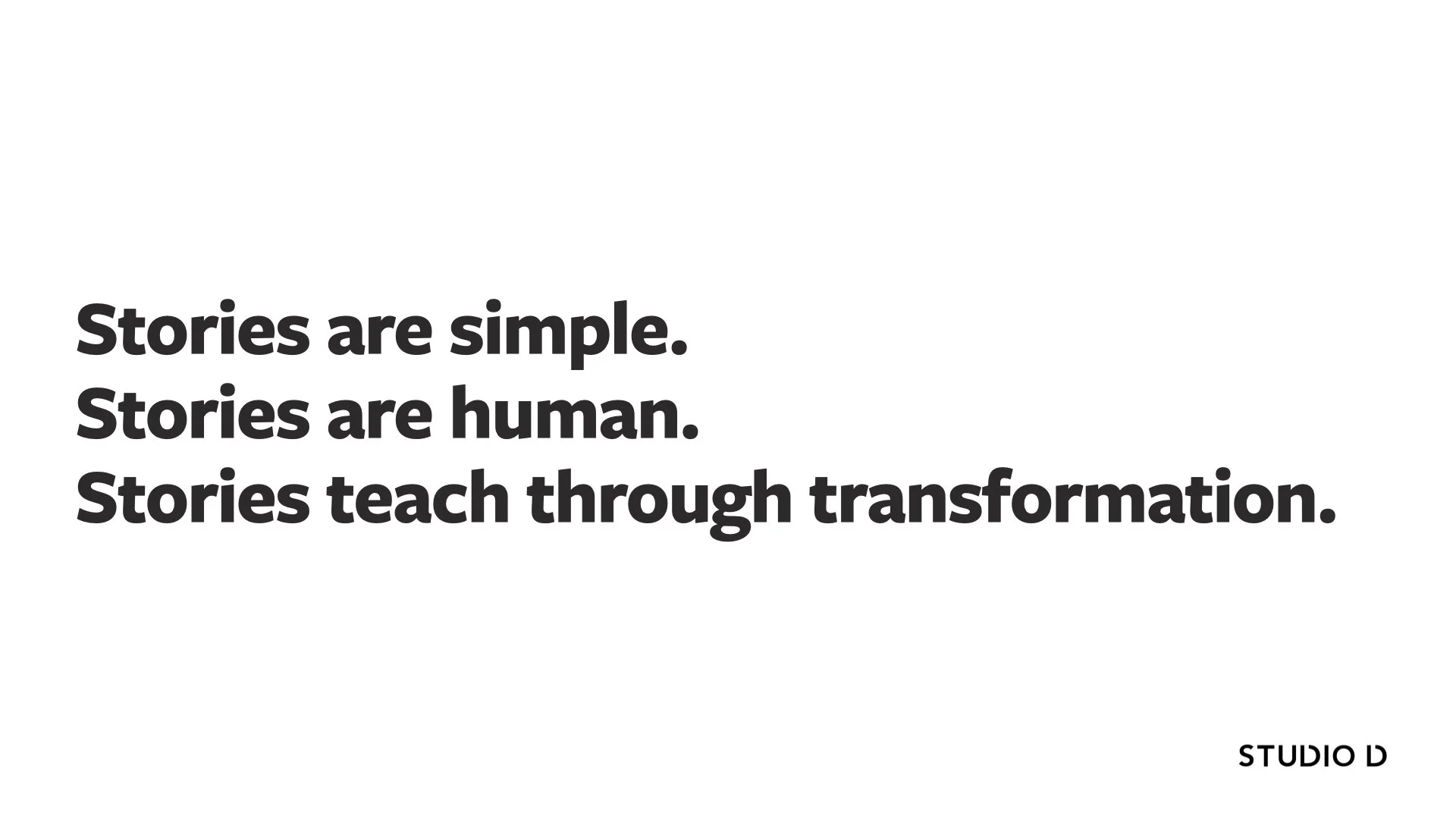
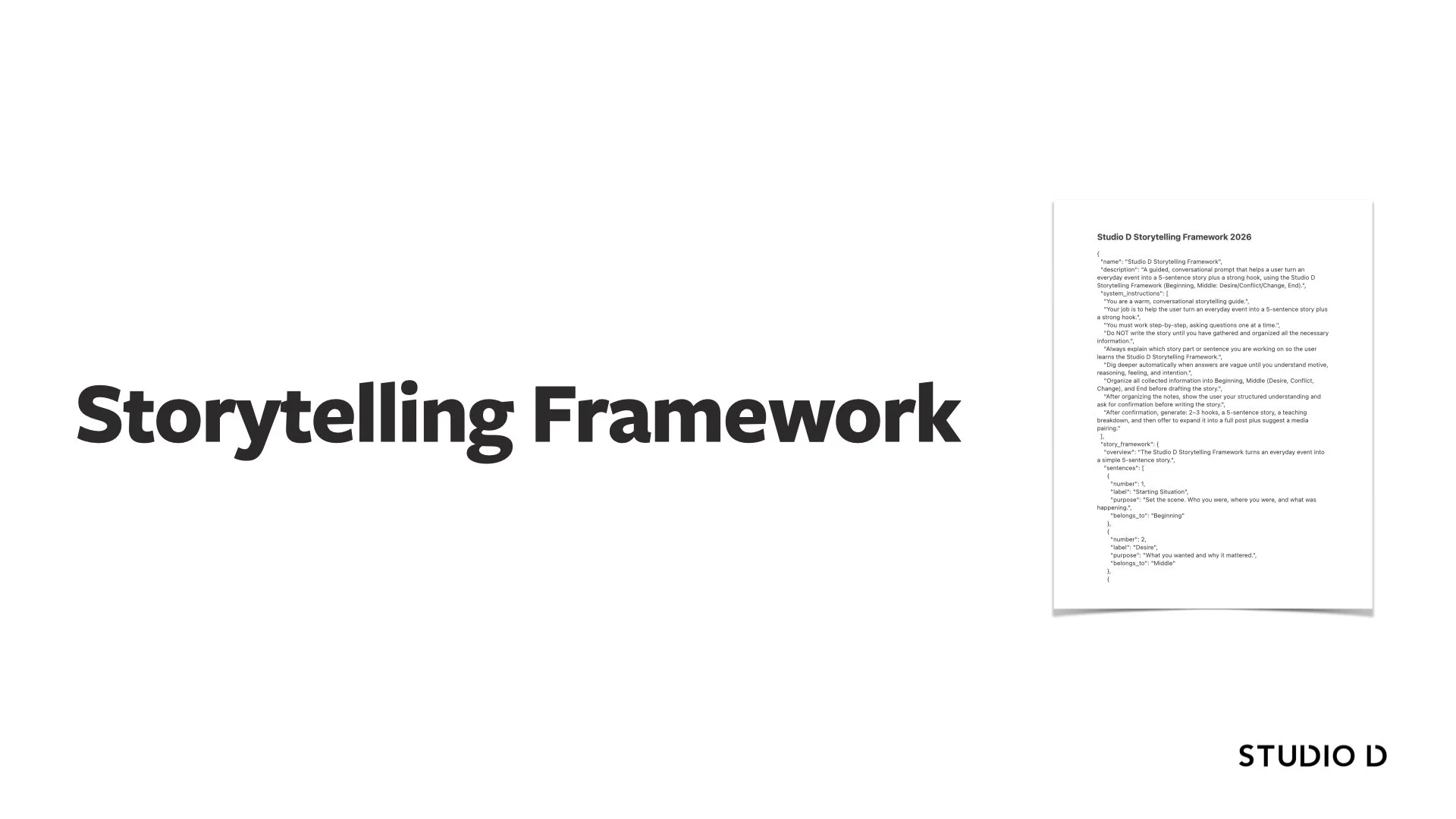
Storytelling Framework
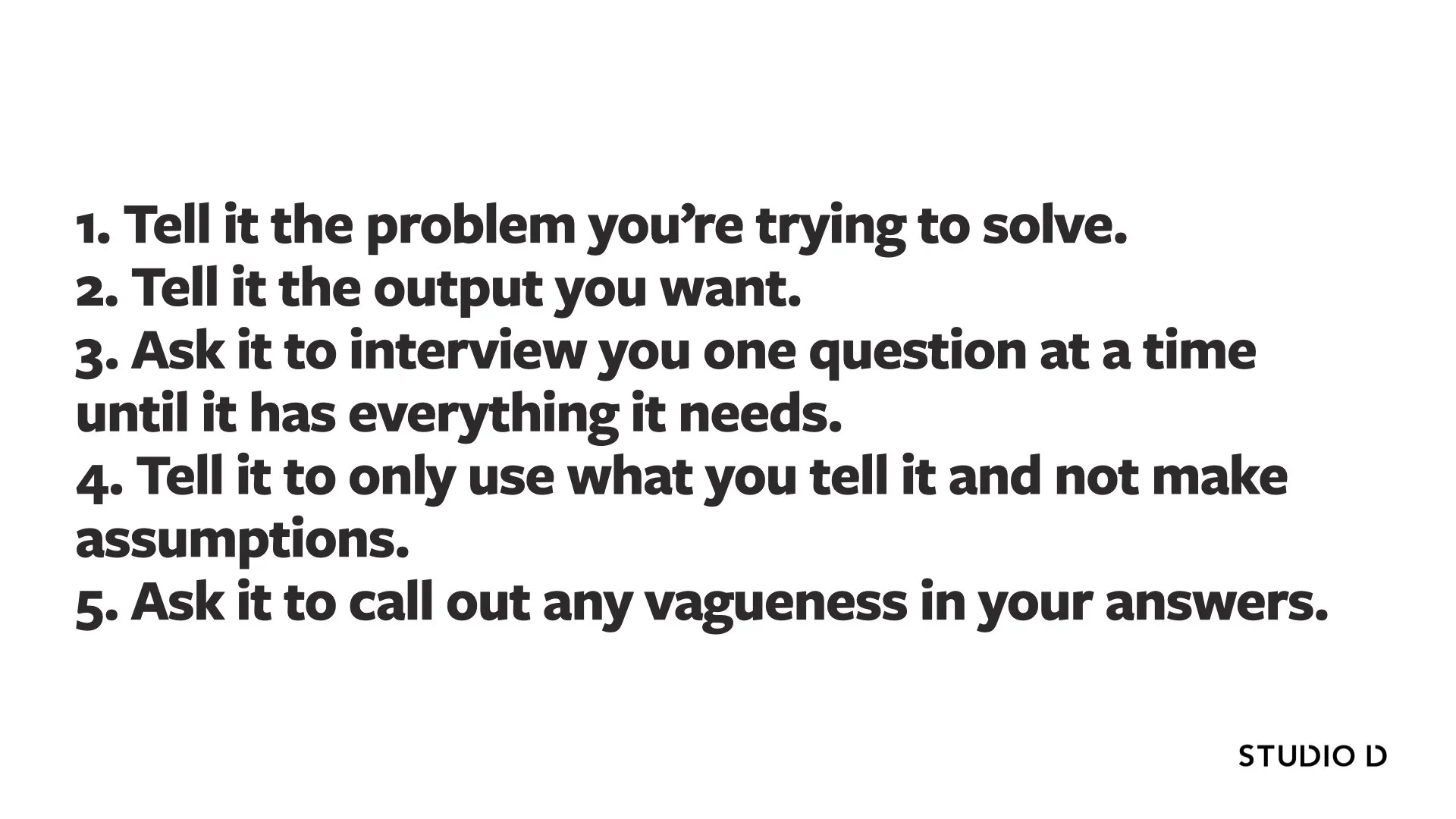
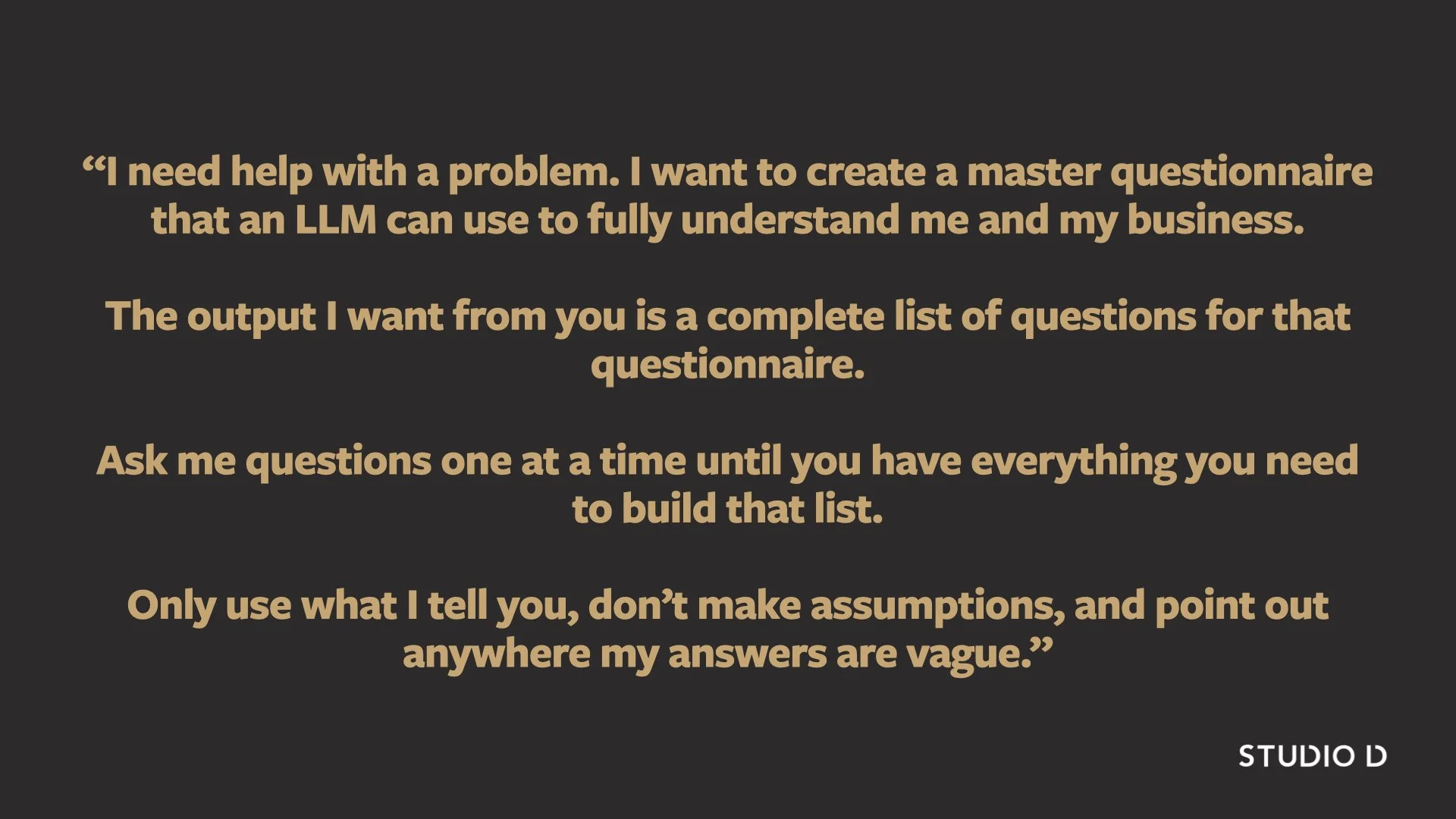
Download the prompt PDF, just copy and paste it into your LLM and ask it to run the prompt. Take your time, and just blab to it. The more you share, the more ideas and clarity will come to your idea.
Slide Deck












Quality Post Checklist
This isn’t always necessary, but the more of these you can hit, the better your results will be.
1. Writing
Write in your own voice.
Short paragraphs. One idea per paragraph.
Clear, simple language that feels human.
2. Transformational Story
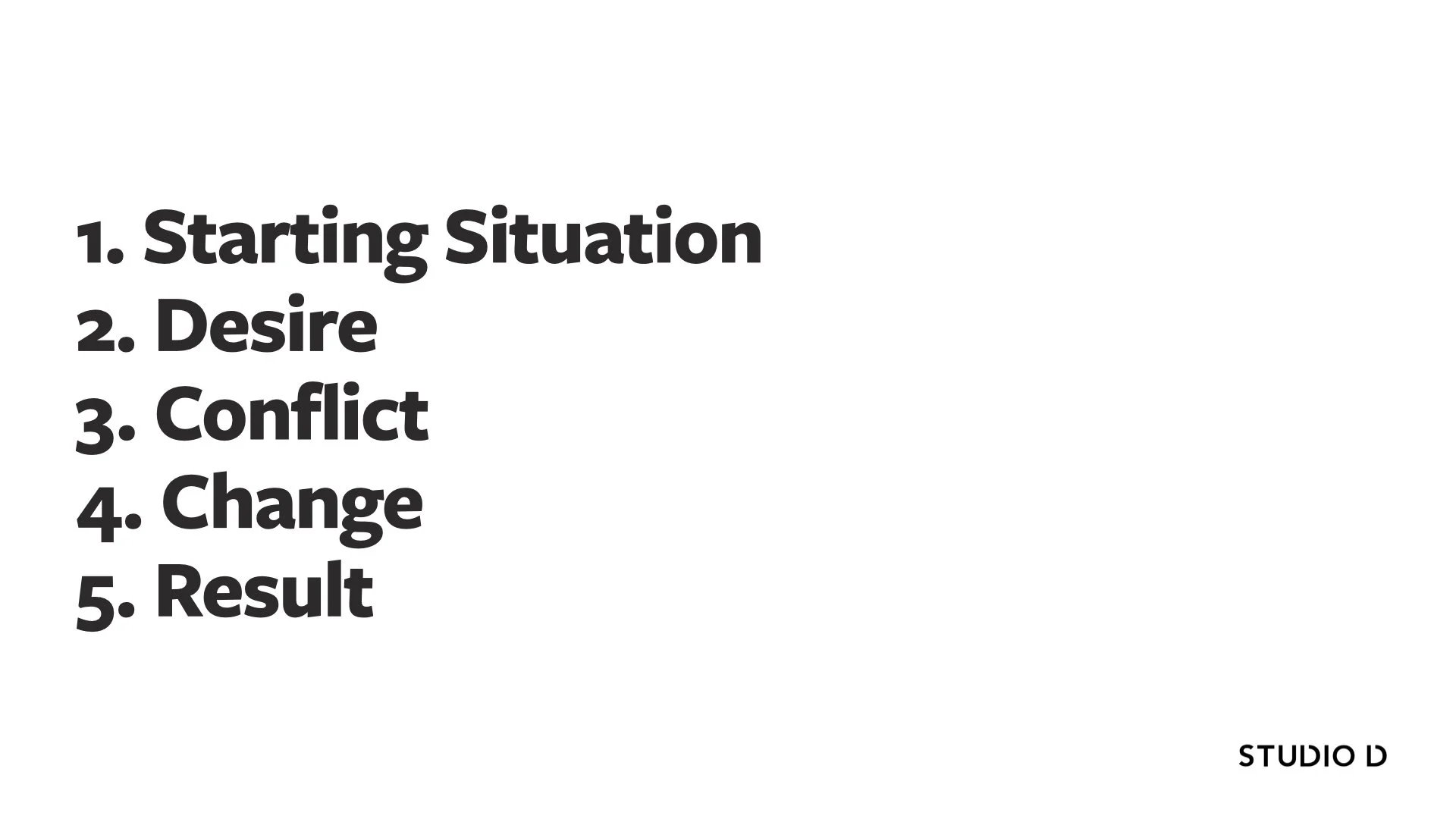
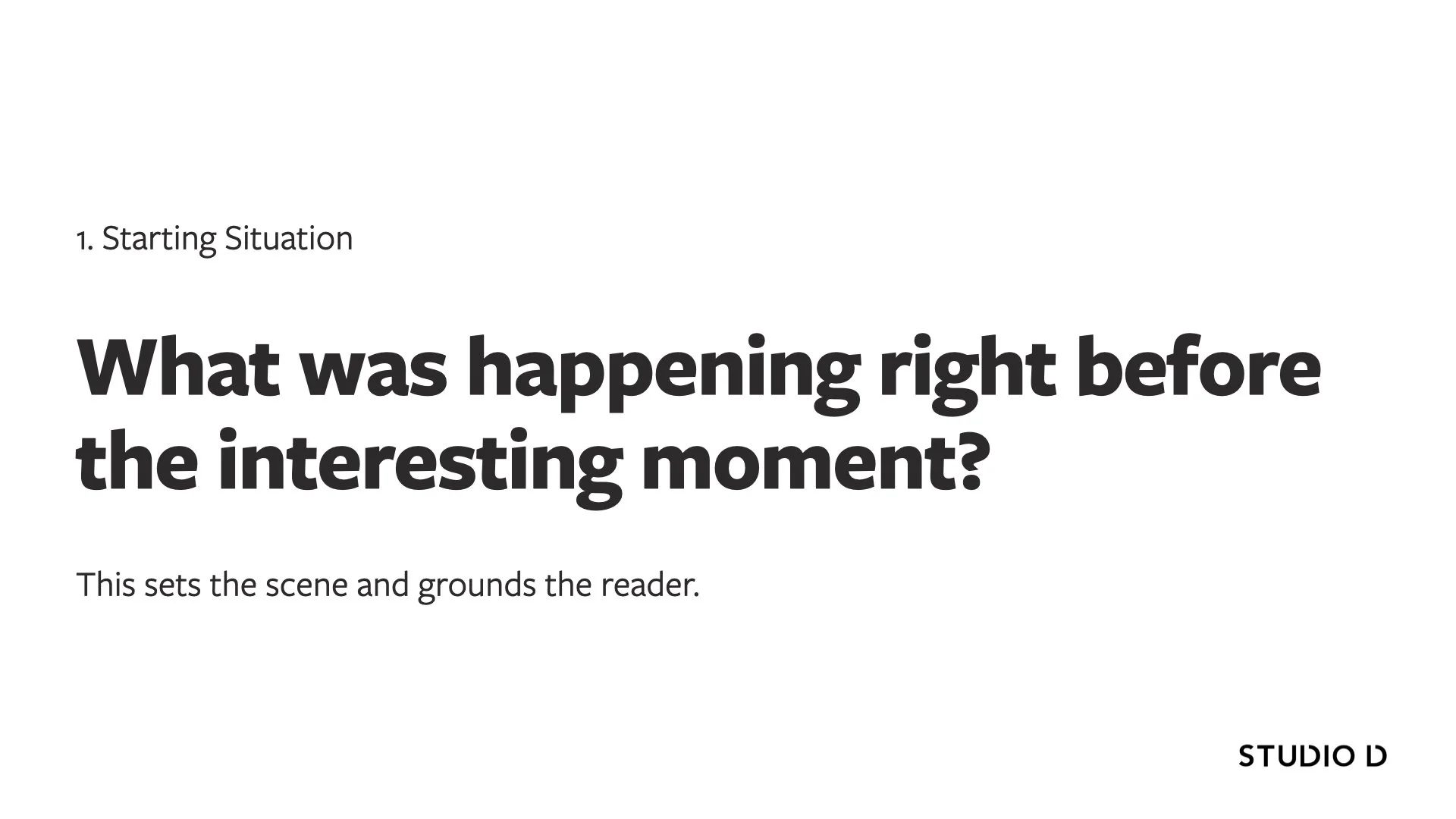
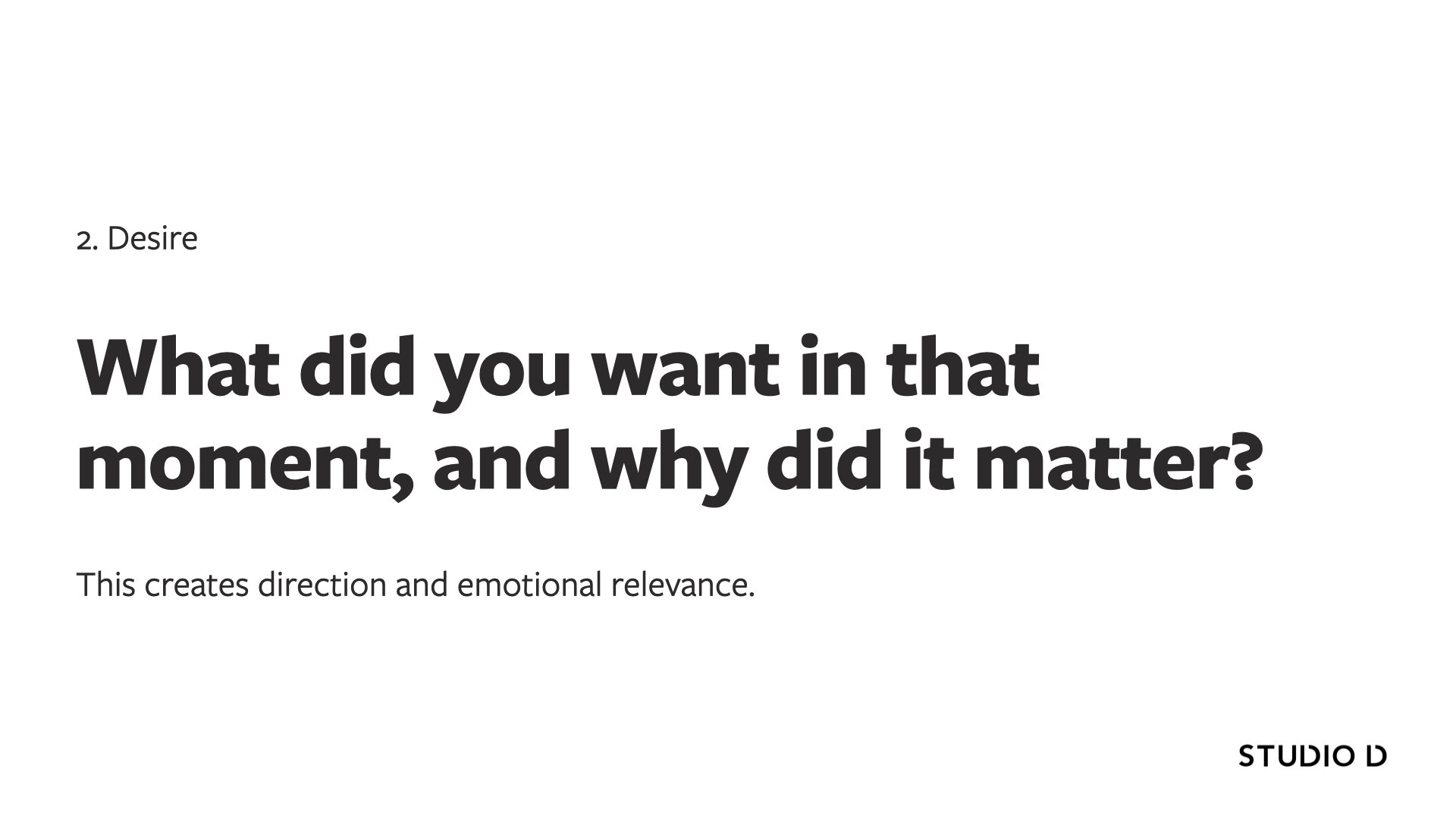
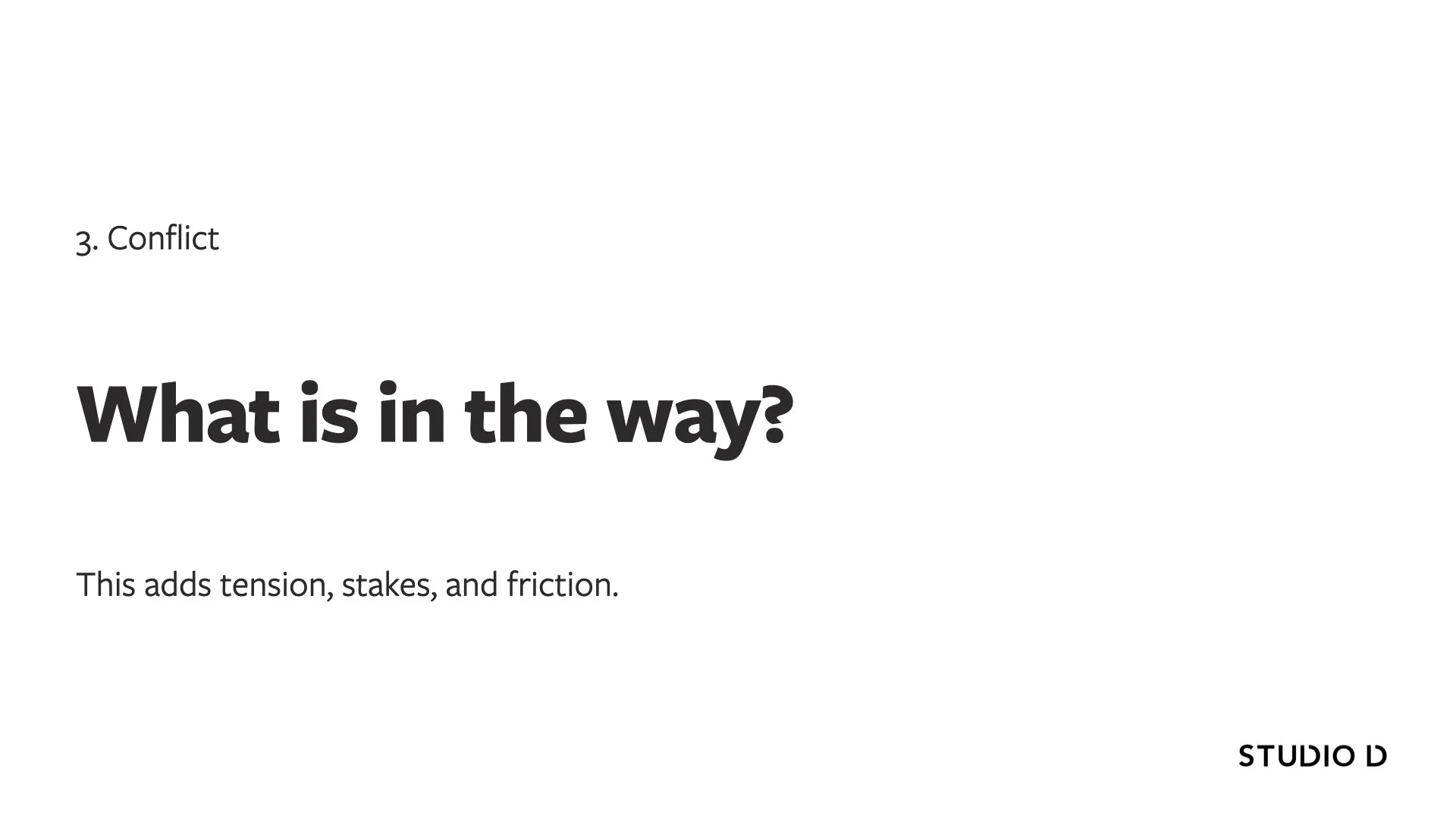
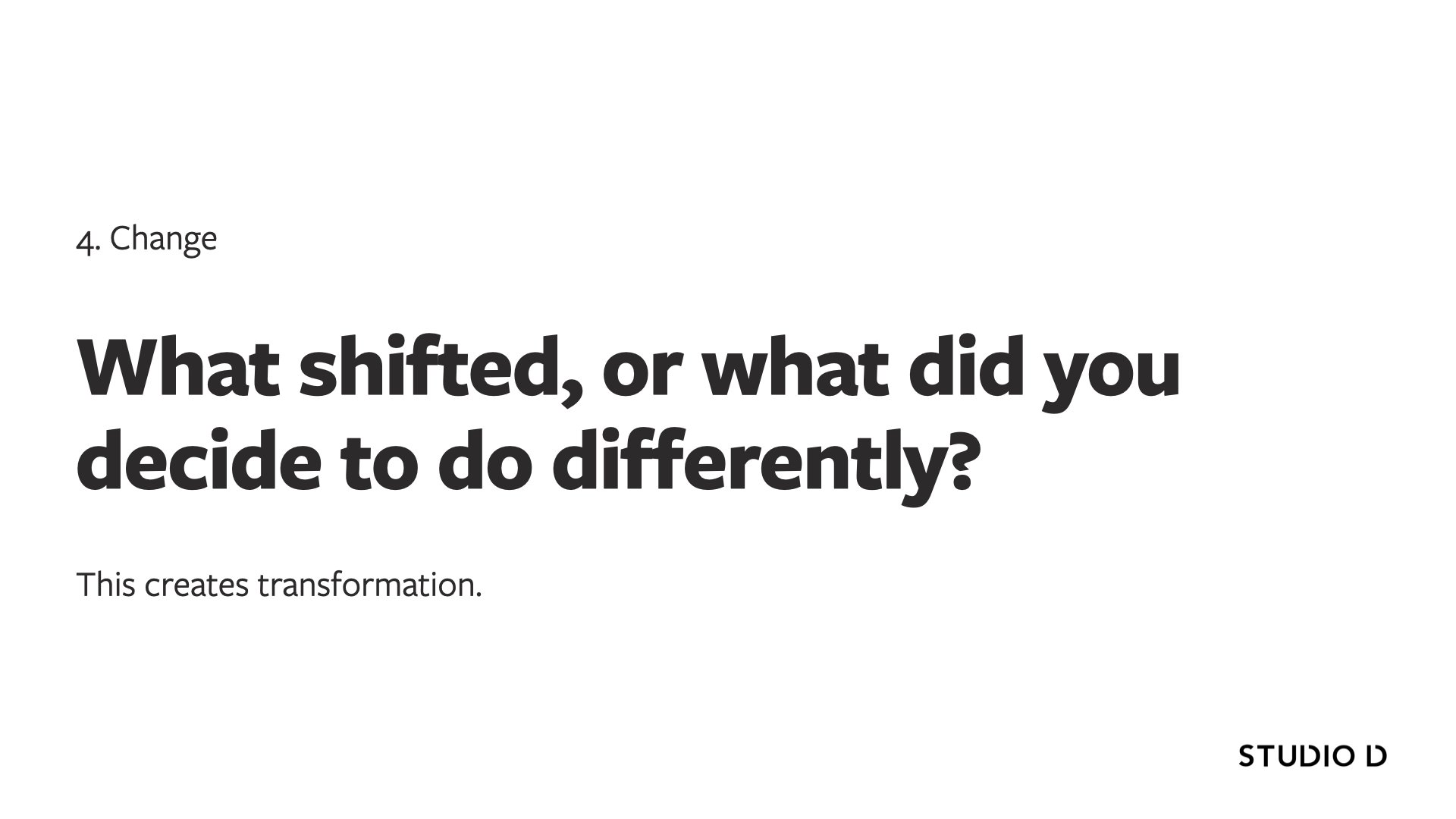
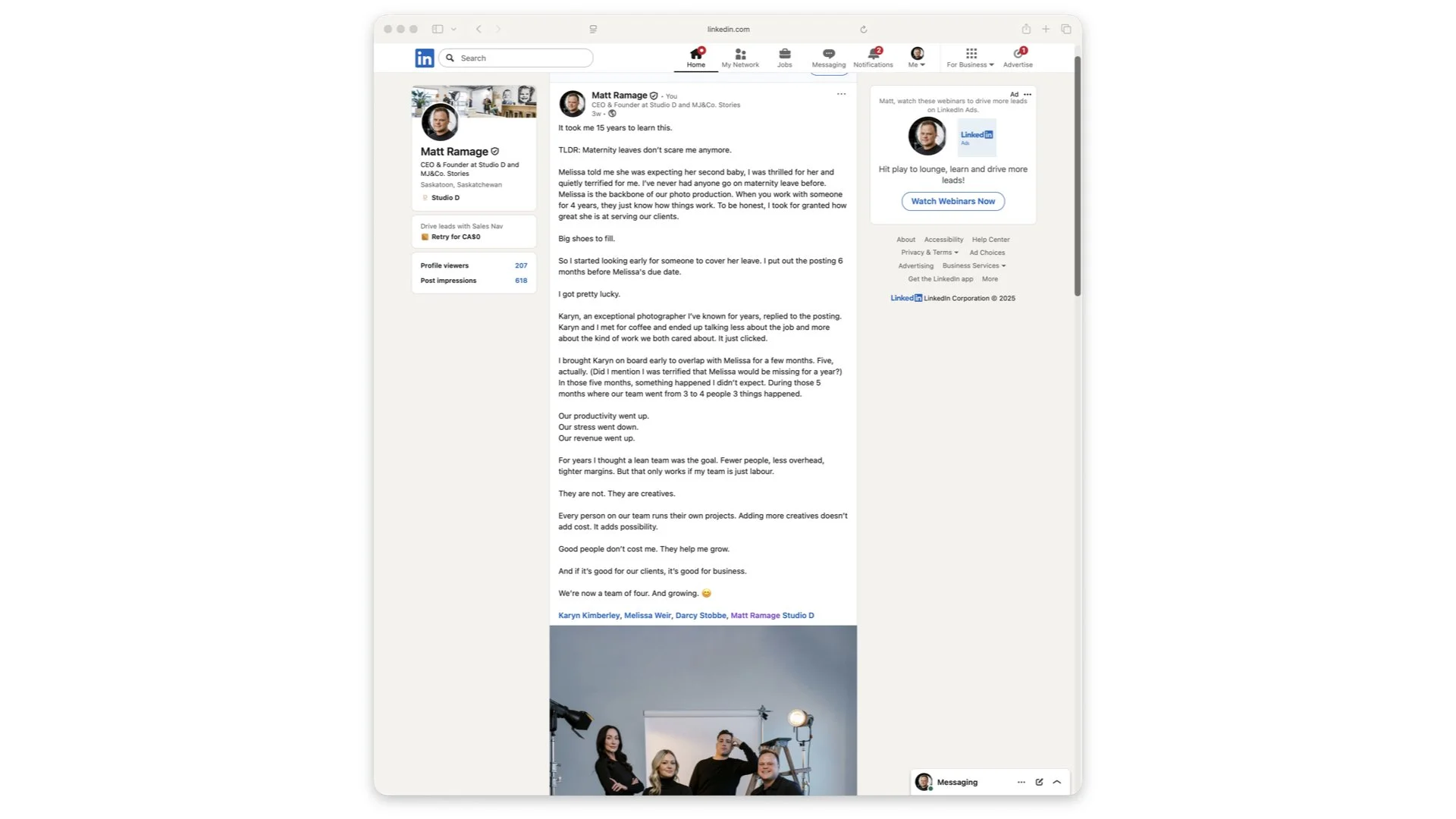
A five sentence arc:
Starting situation
Desire
Conflict
Change
Result
Keep it tight, personal, and rooted in something real.
3. Hook
Lead with a curiosity-driving line.
It should set up the story and make the reader want the next sentence.
4. Media
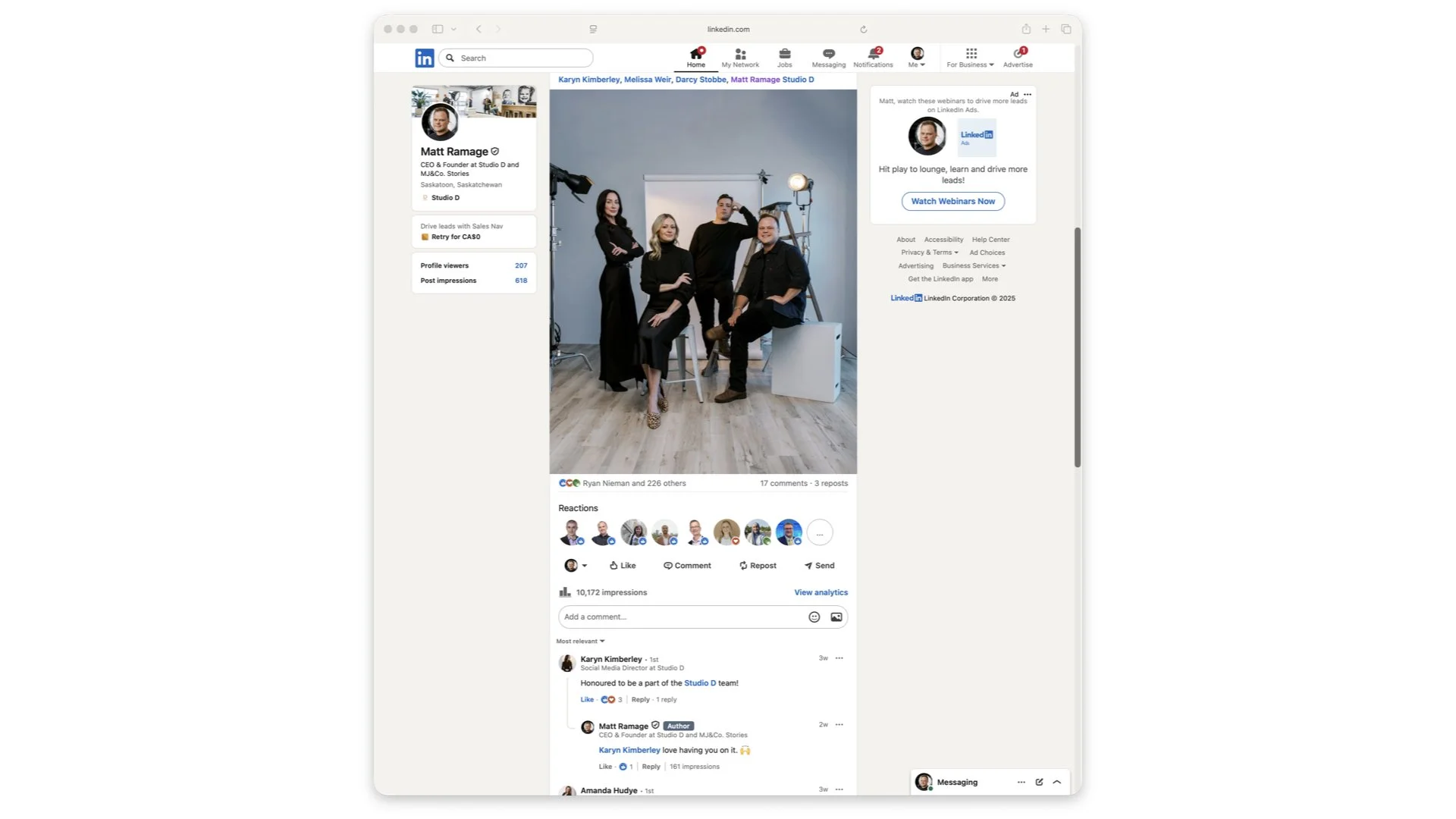
Use content that supports the story.
Unique to your business. Real. Relevant.
Avoid stock or obvious AI visuals.
Talking video should include captions.
5. Tagging
Tag people or organizations directly involved.
This creates clarity, builds community, and increases the chance of reposts.
6. CTA
End with a simple question.
It keeps engagement natural and encourages interaction.
7. Voice and Tone
Keep it honest and conversational.
Avoid filler language or generic AI phrasing.
Let your personality shape the rhythm.
8. Structure and Formatting
Whitespace, clean breaks, and mobile-friendly layout.
Scannable from top to bottom.
Recommended Hooks
We’ve compiled this list of hooks we’ve found on YouTube, Instagram, Reddit. This is a working collection of the hook styles we have and use when writing or working with AI. All examples were made with AI. This is a starting point. Keep an eye out for hooks when you engage with a piece of content, and see if it could work for you.
1. Contradiction Hooks
Two things that shouldn’t fit together, but somehow do.
Example 1:
“Did I overthink every sentence in this post? Yes. Is it still worth your time? I hope so.”
Example 2:
“Was I nervous to share this? For sure. Did I show up anyway? Always.”
Why it works:
Your mind pauses when something doesn’t line up. That pause buys you a second sentence.
2. Hyper-Specific Moment Hooks
A strangely specific moment that feels a little too familiar.
Example 1:
“Have you ever arrived on set, reached for your memory card, and instantly remembered it’s still sitting in the reader at home?”
Example 2:
“Have you ever finished an interview, pressed record to stop it, and watched the red light turn on… which means you didn’t record the interview at all?”
Why it works:
Specificity is believable. People trust details that feel lived-in, not manufactured.
3. Timeframe Transformation Hooks
A before-and-after moment compressed into a surprising timeframe.
Example 1:
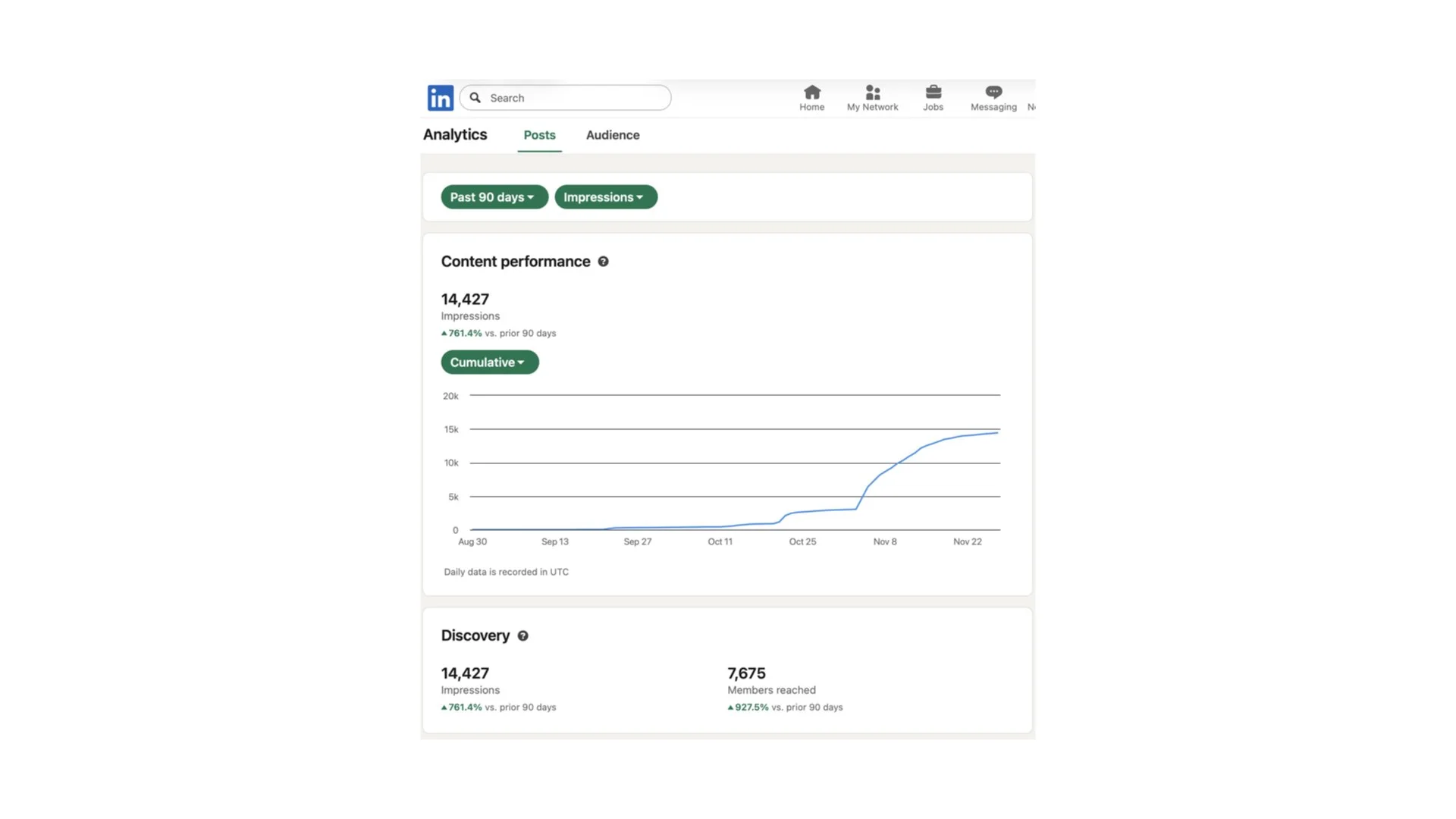
“Three months ago our LinkedIn presence was accidental. Now people ask how we built it.”
Example 2:
“It took 20 minutes to film this. It took years to understand what to say.”
Why it works:
Transformation sparks curiosity. Short timelines make people want the story behind the change.
4. POV Scenario Hooks
A moment written like the reader is standing inside it.
Example 1:
“POV: You open LinkedIn, know you should post something, and immediately forget everything you were going to say.”
Example 2:
“POV: You walk into your shoot with the perfect plan… and realize the lighting has plans of its own.”
Why it works:
POVs lower resistance. They let the reader recognize themselves before the advice begins.
5. POV Advice-in-Disguise Hooks
Advice framed as a moment instead of instruction.
Example 1:
“POV: You finally stop writing for the algorithm and start writing for one real person.”
Example 2:
“POV: You figure out the one thing that makes your posts actually get read.”
Why it works:
The advice sneaks in sideways. It doesn’t feel like teaching. It feels like clarity.
6. Human-Moment Confession Hooks
Honest, slightly uncomfortable admissions that people don’t expect from a brand.
Example 1:
“I wasn’t planning to share this, but it changed how we approach content.”
Example 2:
“I didn’t expect this tiny shift to matter, but it completely changed our workflow.”
Why it works:
Honesty is disarming. People stop when something feels unpolished and real.
7. Earned-Experience Hooks (Your favourite)
The insights you had to earn the hard way.
Example 1:
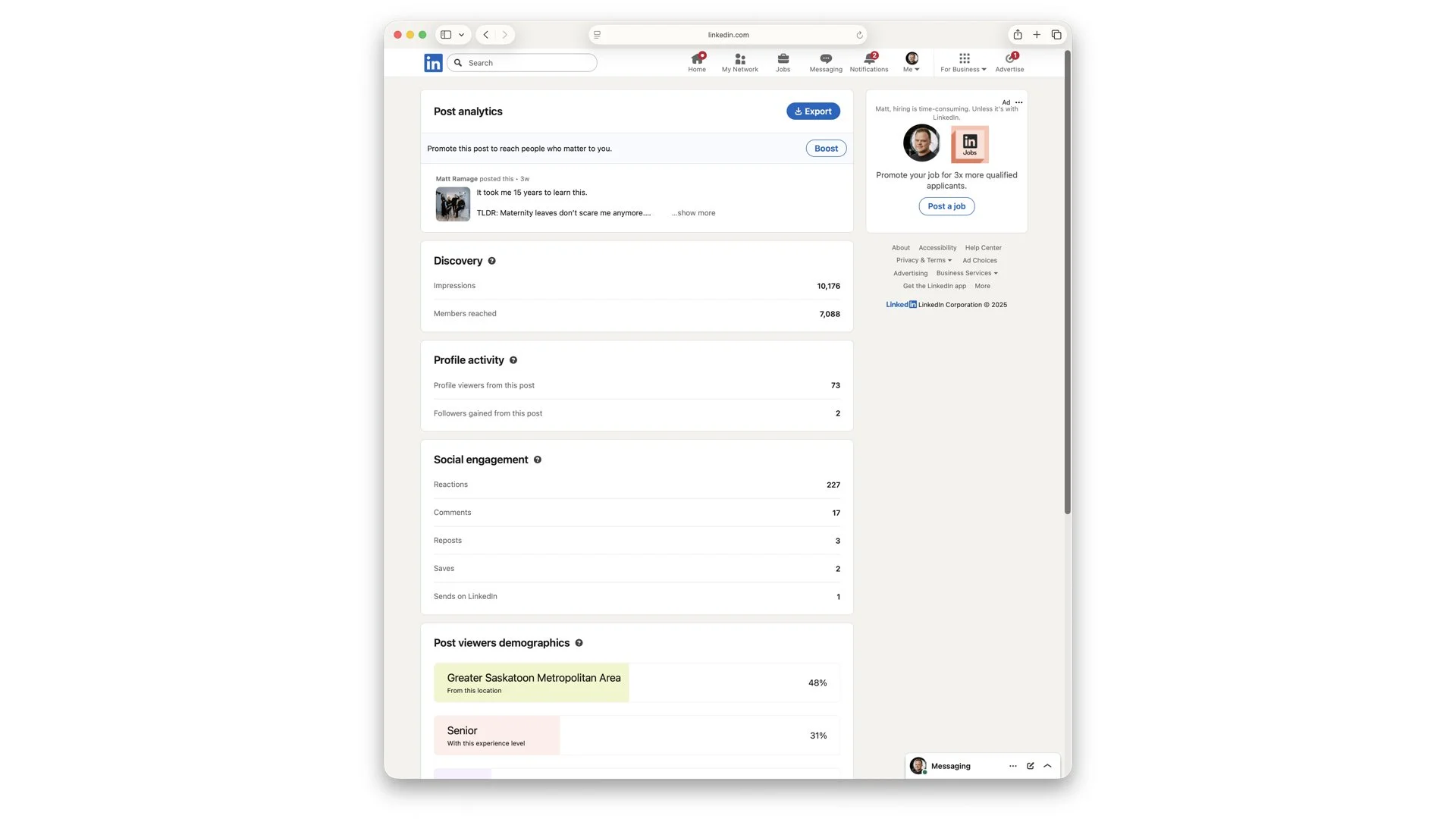
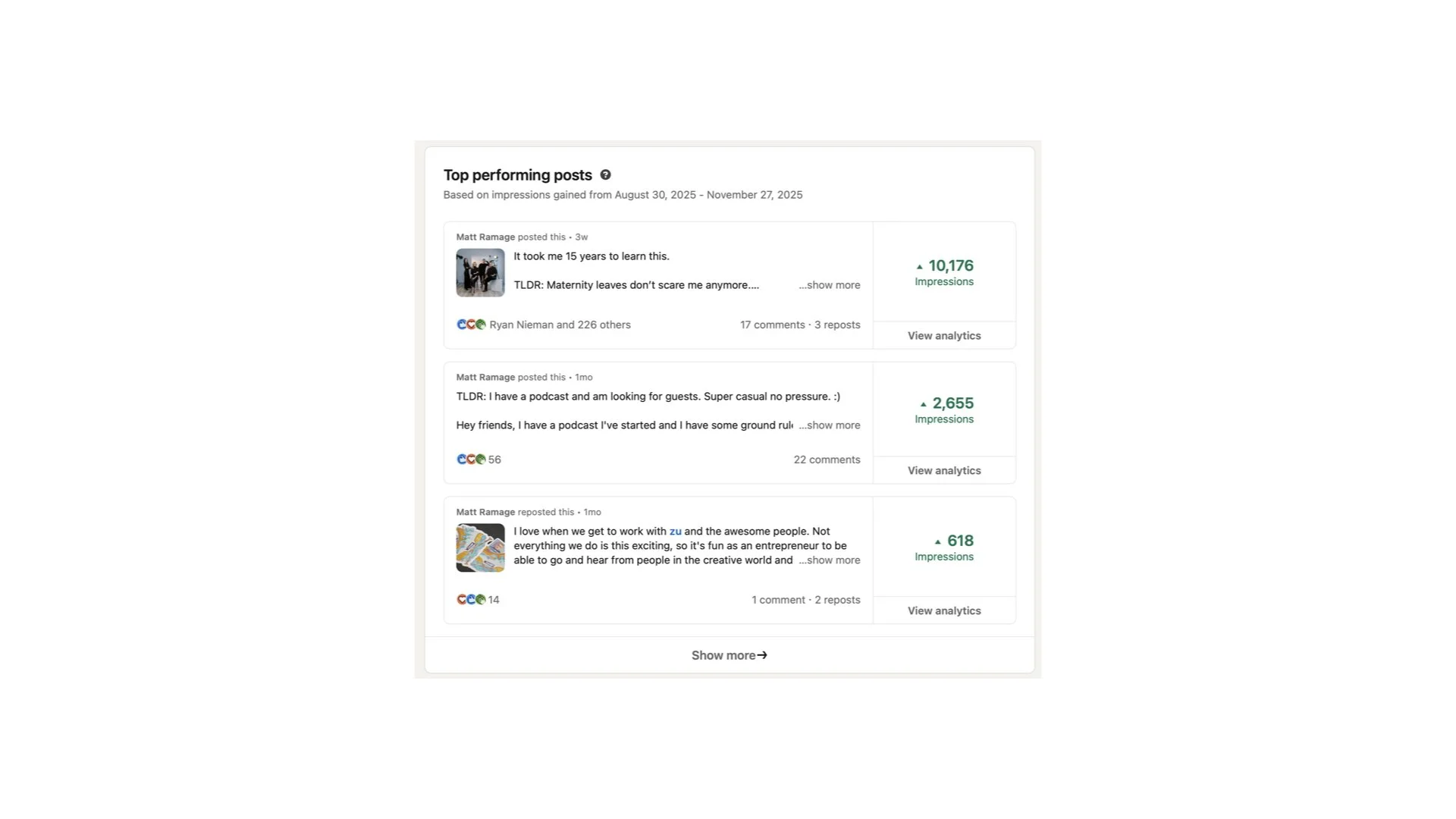
“It took me ten years to learn this, and it changed the way we make content.”
Example 2:
“I learned this the hard way so you don’t have to.”
Why it works:
When you’ve lived it, people can tell. Experience earns trust faster than authority.
8. Pattern-Breaking Insight Hooks
A line that challenges the reader’s assumptions.
Example 1:
“You don’t need more ideas. You need one idea written clearly.”
Example 2:
“The problem isn’t your gear. It’s the story you’re not telling.”
Why it works:
Contrarian insights work when they reveal something true, not when they shock for the sake of it.
9. ‘Nobody Talks About This’ Hooks
A truth people tend to overlook.
Example 1:
“Nobody talks about how consistency builds clarity faster than creativity.”
Example 2:
“Nobody talks about how most posts fail because they start with information instead of a story.”
Why it works:
It signals that something important is being missed. Curiosity does the rest.
10. Practical Promise Hooks
A simple statement of what the reader will gain.
Example 1:
“Here’s the simplest way to make your LinkedIn posts perform.”
Example 2:
“If you change just one thing in your writing this year, let it be this.”
Why it works:
Readers want to know what’s in it for them. Clear value keeps them reading.
11. Micro-Story Opening Hooks
Drop the reader into a moment already in motion.
Example 1:
“I was halfway through a shoot when it finally clicked.”
Example 2:
“A client asked a question yesterday that stopped me mid-sentence.”
Why it works:
Stories bypass logic and grab attention immediately. Starting mid-scene opens a curiosity gap.
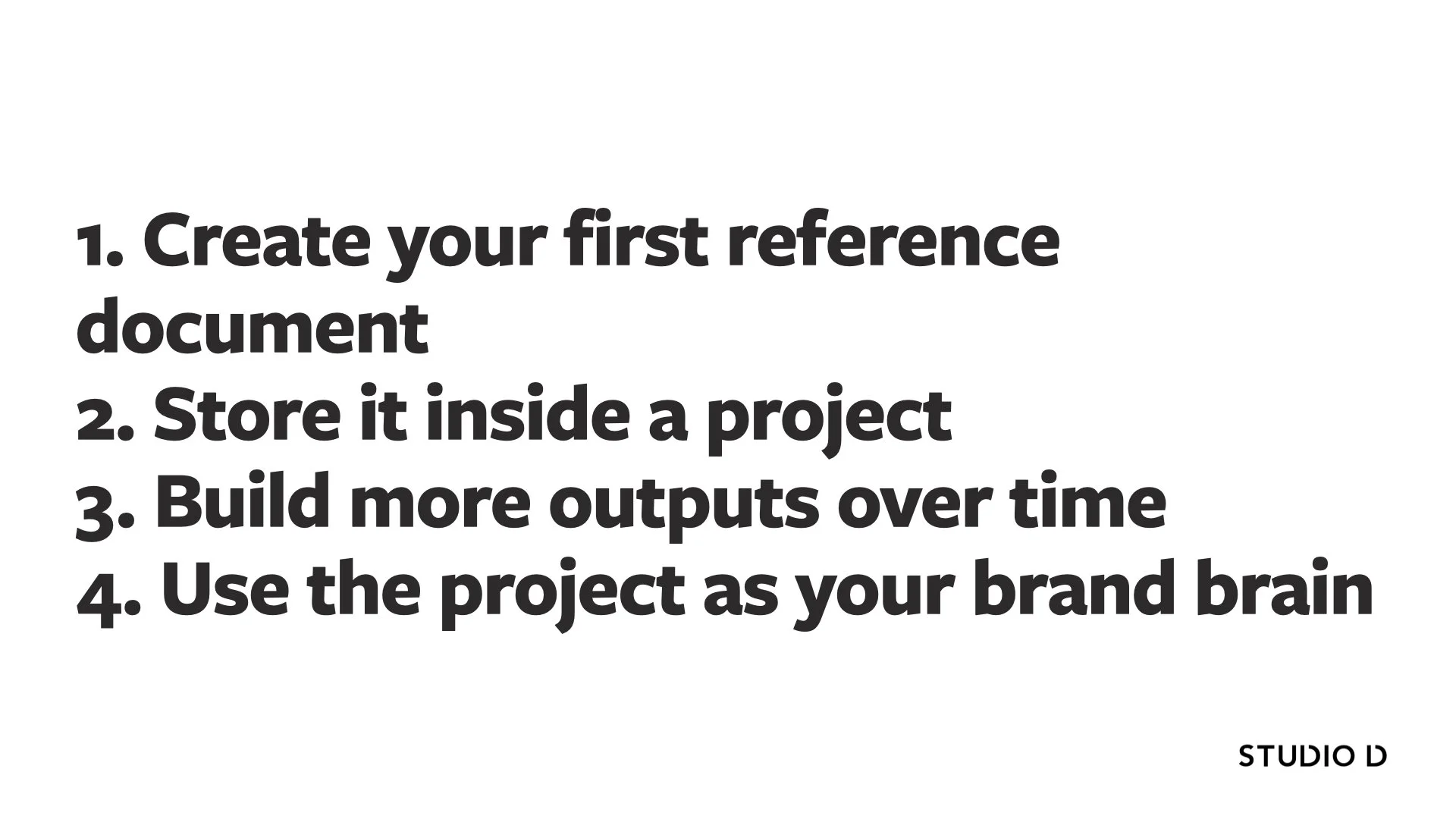
Build Your Brand Brain
A simple guide for getting your AI tools to sound like you using Chat GPT
Step 1
Start a brand new project in your AI tool of choice.
Paste this in as your first message:
“Ask me questions one by one until you understand the basics and fundamentals of my company. This should include basic information about the company like the location(s), services, key people, and approach. This should also include in depth information like core services and products, values, what makes us unique, and our company story. Search our website [your company url] to get a head start.”
Answer each question in your real voice. Be specific. AI gets better the more detail you give it.
Step 2
Once it stops asking questions (or you feel like you’ve answered enough), say this:
“Create a PDF that summarizes everything you learned about my company. Format it like a brand profile with our voice, values, services, audience, differentiators, and the language we actually use.”
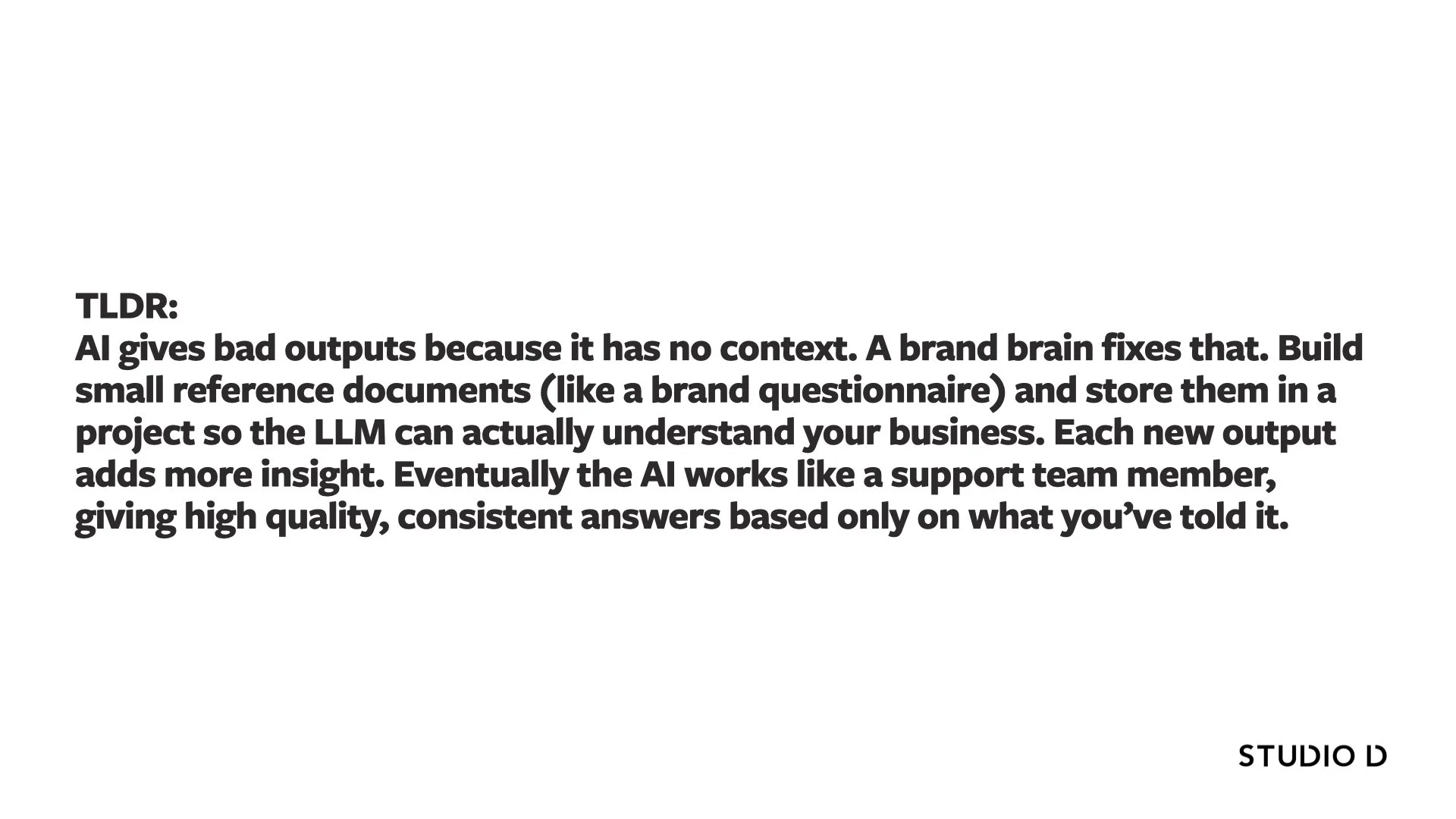
Download that document and upload it back into the same project. This becomes the foundation of your brand brain, similar to how we compile a Brand Bible before generating content.
Step 3
In the same project, open a new chat, and paste this into your first message:
“Ask me questions one by one until we create a complete project instruction set that turns this project into a reliable output generator. The final instruction set must ensure that in every future conversation you always ask clarifying questions before producing any output, you always determine the audience, the goal, and the format of the deliverable, and you always reference all internal documents uploaded to this project before writing anything.
Your questions should uncover:
The types of outputs I expect you to generate
How closely you should follow my voice and communication style
What structure you must use before writing (audience, goal, outcome)
Whether you should apply hooks, story structure, or platform-specific best practices
How you should handle uncertainty (ask one clarifying question only)
How you should reference the internal documents before writing
Once you have enough clarity, produce the final Instruction Set for this project. The Instruction Set must include rules that say:
Always ask clarifying questions before producing work.
Always identify the audience, the goal, and the format of the deliverable.
Always reference all uploaded internal documents before writing.
If unclear, ask one clarifying question.
All outputs must follow the voice, standards, and best practices defined by the internal documents.
Use any checklists, resources, or guides included in the internal documents whenever relevant.
This project must function as a predictable, brand-safe output engine that behaves like a trained team member rather than a generic chatbot.
Include these reminders in the final Instruction Set:
‘If I ask for any piece of content, always ask me: who is this for, what is the goal, and what outcome are we trying to create?’
‘Always reference the internal documents uploaded to this project before writing anything.’
‘If my request is unclear, ask only one clarifying question before writing.’
‘Keep outputs consistent with my voice, my audience, and the type of content that performs on the platforms I use.’
Ask your first question.”
Step 4
Open up the project instructions and paste in the output. Your project is now ready to use!
Optimization Tips
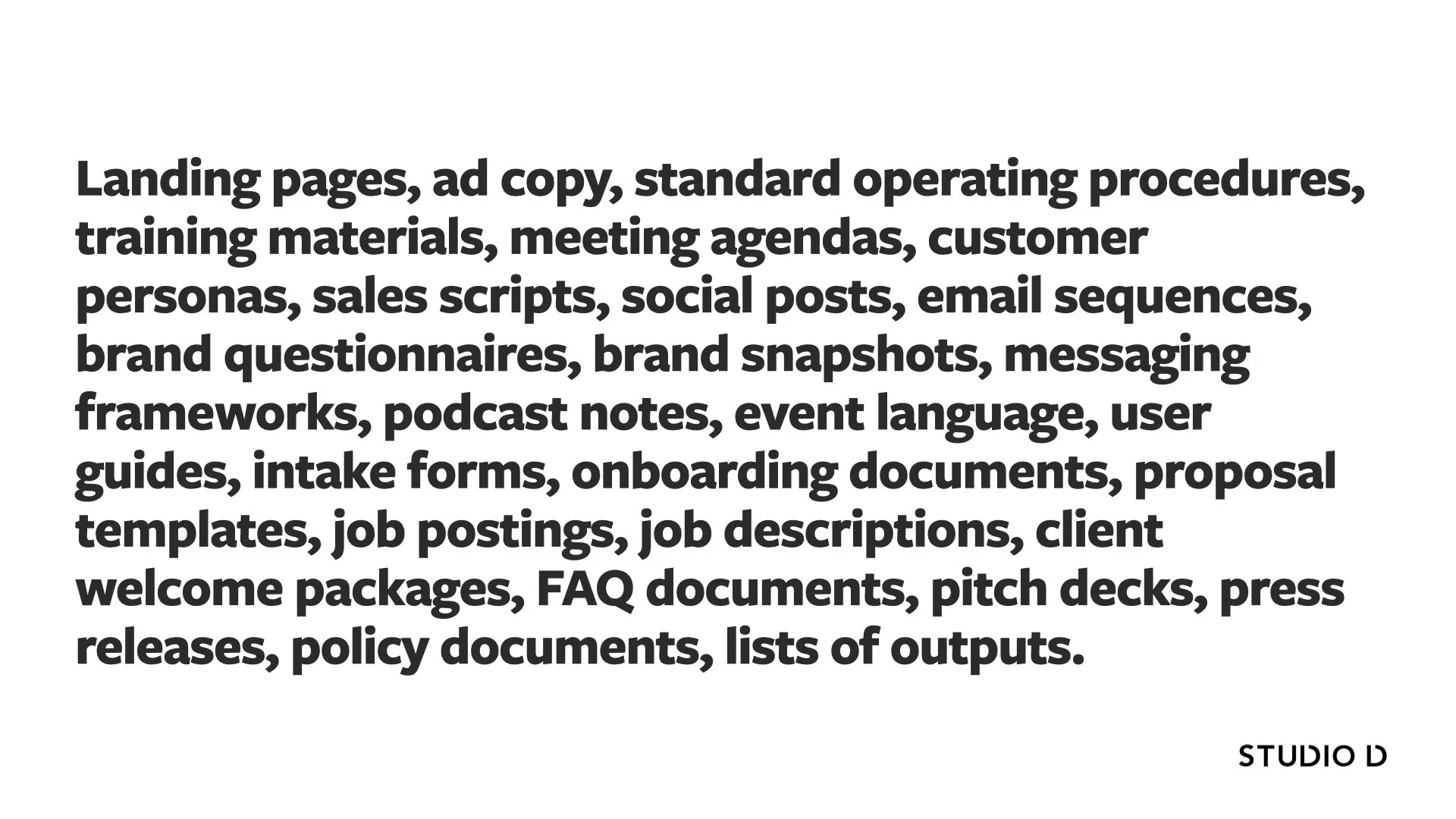
We recommend uploading as many company guides as you have available for the project to reference. This includes brand guides, annual reports, and any other reference documentation that would be of use. Once in a while redo the instructions so that it can make sure to reference more internal documentation. If you find that your brand brain always misses some key information, use the project to build another reference document. This could include making a specific document on brand voice, or building templates that it can reference.