Most of the professionals and organizations we work with are excellent at what they do. They are knowledgeable, skilled, and genuinely care about the people they serve. Their businesses do great work.
And yet, when it comes time to step in front of the camera, many of them freeze.
That worry is impostor syndrome: the feeling that you are not interesting enough, polished enough, or “on-brand” enough to be the face of your own company. Some look at competitors and try to copy what seems to work for them, hoping that if they just sound or look like someone else, they will finally feel legitimate.
The problem with that approach is that it puts you further away from the very thing that makes your brand magnetic.
Your magic is real. It is not in a logo, a colour palette, or a competitor’s script. It is in who you actually are, the problems you genuinely love to solve, and the people you are uniquely built to serve.
Why Copying Competitors Is the Trap
When impostor syndrome shows up, the first thing many people do is look sideways. They study what their competitors are saying, how they're showing up, and what kind of content is getting attention. Then they try to do the same thing.
It feels safer. If someone else is already doing it, at least you know it "works."
But copying is where your brand goes to disappear. It trains the world to see you as a slightly different version of someone else, not as the only version of you. The people who would love your specific approach never get the chance to recognize it, because you're busy sounding like everybody else.
Your magic is not in a competitor's formula. It's in the problems you love to solve, the businesses you love working with, the clients who are so glad they found you, and what those clients say about you when you're not in the room. That is what you want to communicate. That is what makes you magnetic.
What Makes You Magnetic
Magnetism is not about being louder, bigger, or more polished than everyone else. It is about being accurate. When you show your real values, talk about the work you genuinely love, and share stories from the clients who are glad they found you, you stop competing for attention and start attracting the right people.
The people who need exactly what you offer are already out there. They are looking for someone who understands their problem, speaks their language, and feels like a fit before the first conversation. Your job is not to convince them. Your job is to let them see you clearly enough to recognize that fit.
What happens when you stop hiding
We recently created a recruitment film for an organization that gave us real creative freedom. We approached it like a Netflix-style documentary, interviewing team members across the many different lifestyles and backgrounds that make up their culture. No scripts pulled from a competitor. No polished talking heads trying to sound like someone else. Just real people talking about real work in a real place.
A few months after we delivered the film, I checked in with the client. They had made 30 job offers. Same number of offers given as the year before. But accepted offers jumped from 6 to 22 — 4x the acceptance rate. That's the power of showing your magic.
Same postings. Same process. The only meaningful difference was that candidates could finally see who they would be working with before they ever applied.
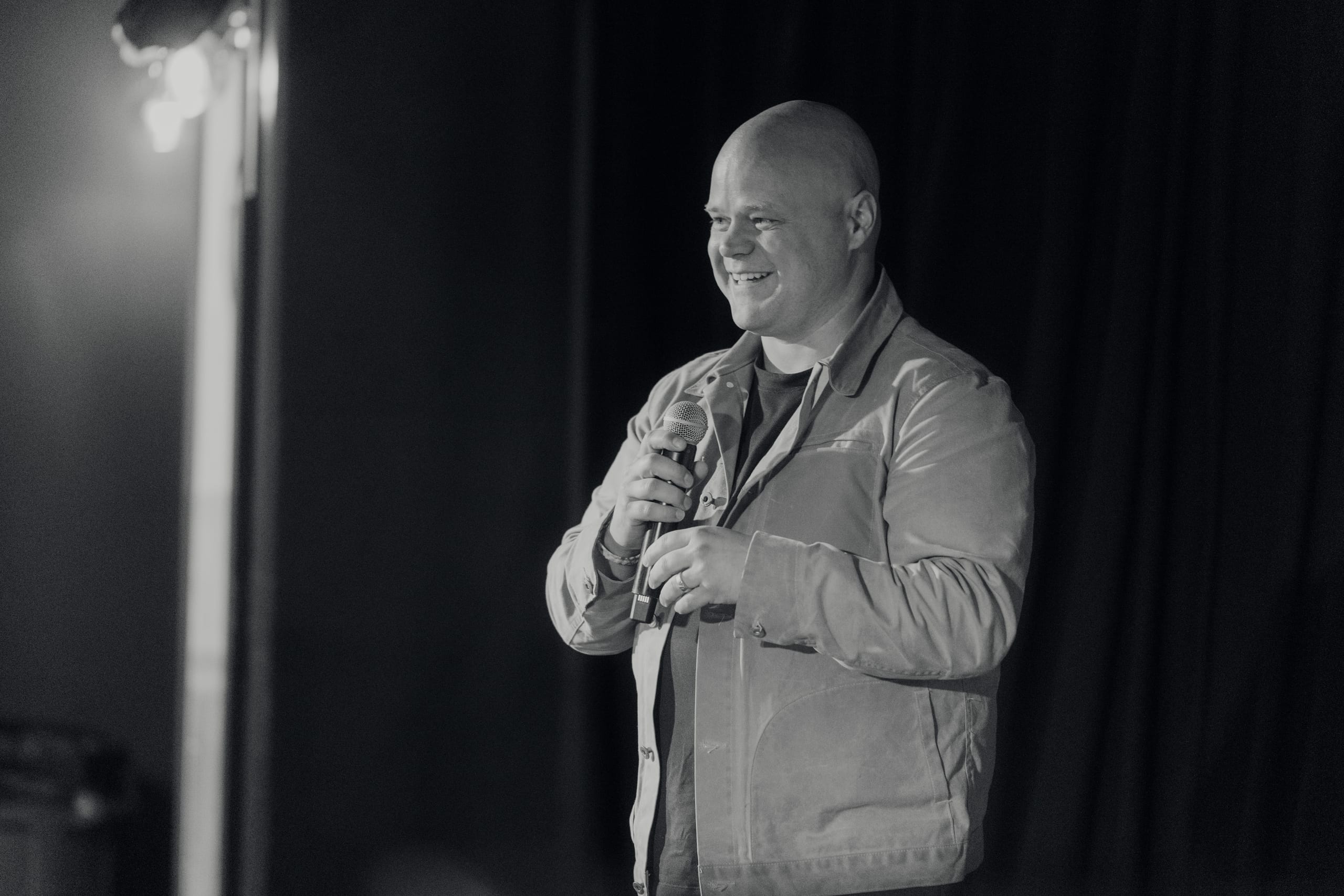
Matt Ramage speaking on impostor syndrome and authentic brand presence.
It's a Skill, Not a Secret
Here is the part nobody wants to hear, but everyone needs to: being good on camera is not a talent you are born with. It is a skill you build by doing it.
The people who show up confidently on video are not fundamentally different from you. They have just practiced longer. They have pressed record more times. They have learned what their voice sounds like, what their face does under light, and how to say one true thing before worrying about saying it perfectly.
The way to build that skill is to do it. Start speaking your message. Get on camera. Practice. There is no shortcut around the reps.
If impostor syndrome is telling you to wait until you feel ready, you will wait forever. The trick is to start speaking your message anyway. Get on camera. Say the thing. Post it. Review it. Do it again.
You will not love the first one. That is fine. The first one is not the final product. It is the first rep.
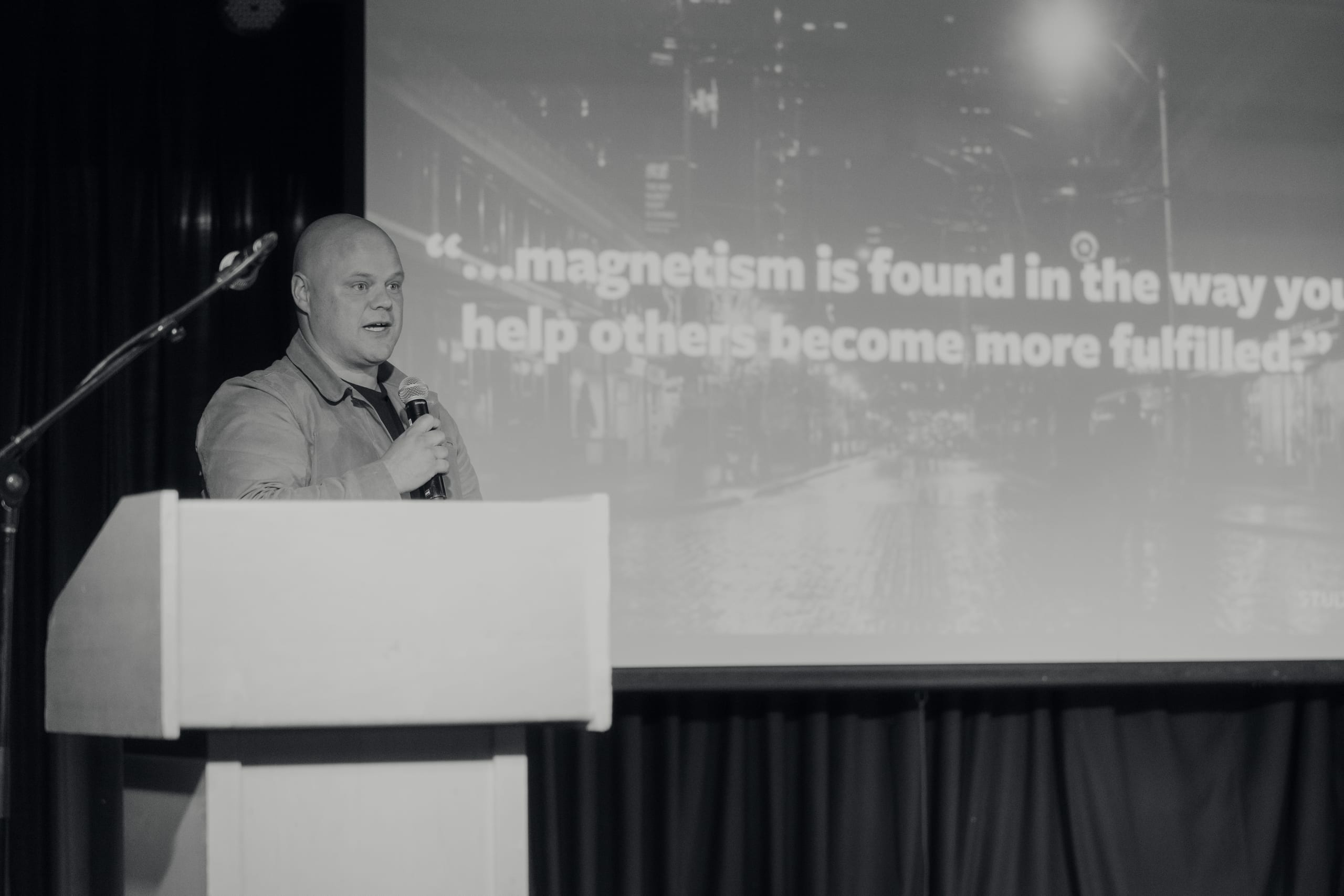
The only way to get comfortable on camera is to get on camera.
We help brands see themselves
We help brands see themselves. Our magic is helping you show your magic, show who you are, and what you do. A lot of what our clients say about us is that we help them see themselves, and that the work really gets them.
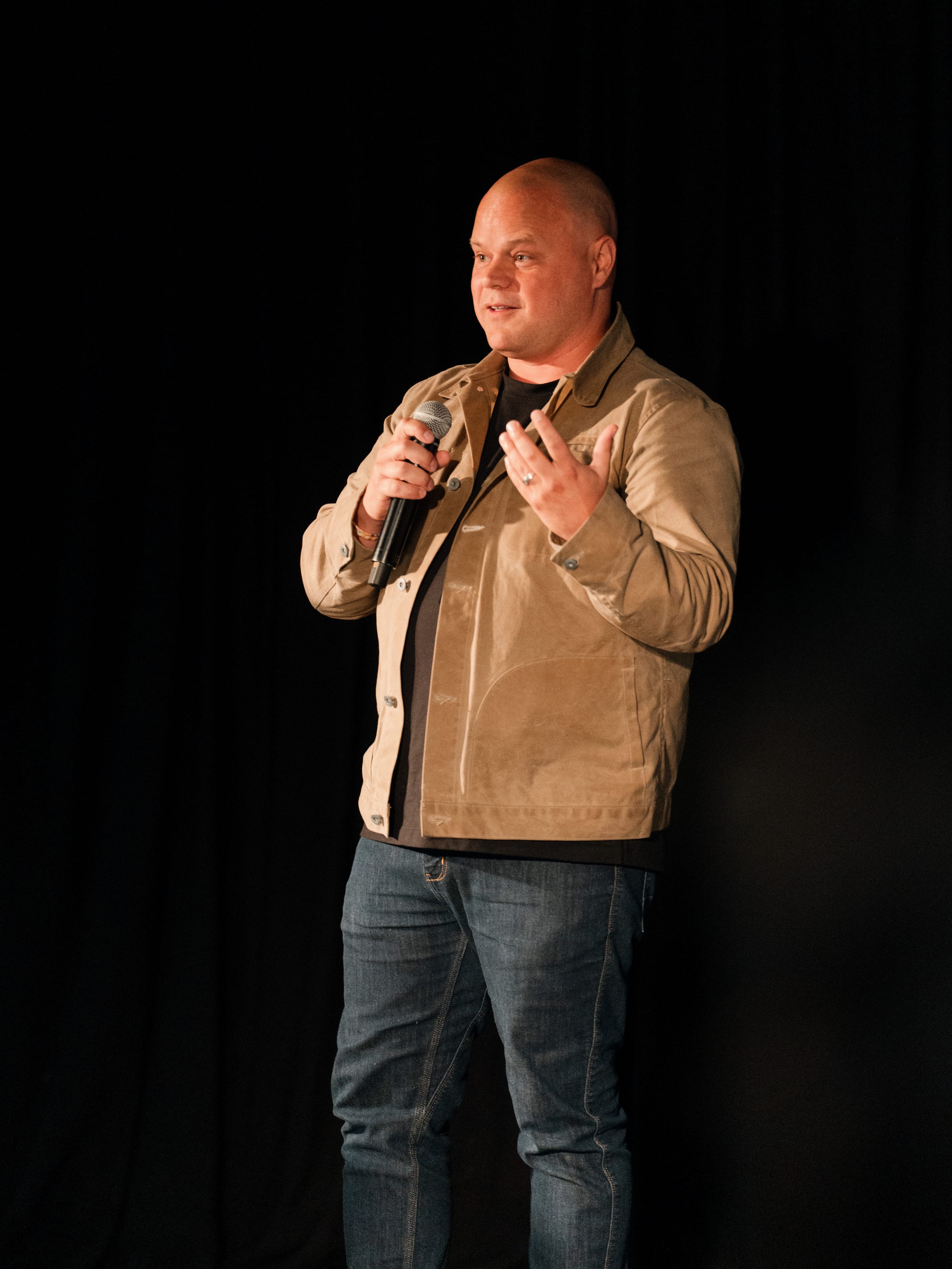
Your magic is already there. The work is letting people see it.